Best known for its role in athletic performance, creatine is now being explored for its broader metabolic benefitsparticularly its potential to indirectly support GLP-1 function through muscle health, glucose metabolism, and insulin sensitivity
The model included the following covariates: age, most recent hemoglobin A1c (if available), overweight/obesity status, body mass index (BMI), hypertension, ischemic heart disease, obstructive sleep apnea, hyperlipidemia, hypercholesterolemia, and prior therapy with antidiabetic agents (including sodium-glucose cotransporter 2 (SGLT2) inhibitors, dipeptidyl peptidase 4 (DPP-4) inhibitors, thiazolidinediones, alpha-glucosidase inhibitors, sulfonylureas, metformin, insulins, and other blood glucose-lowering drugs), as shown in Supplementary Table 1
There is emerging evidence that this may work for selected patients under supervision
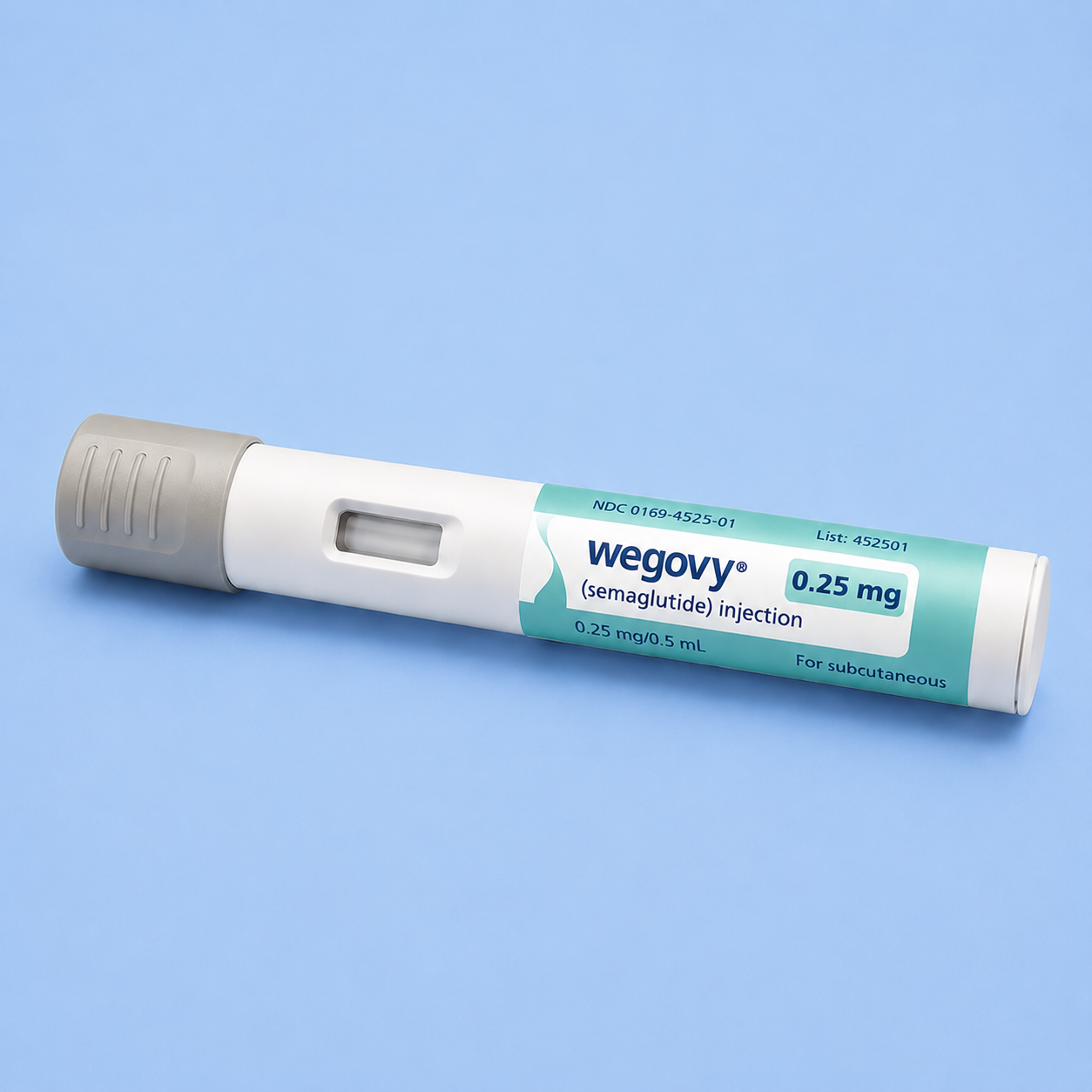
GLP-1 medication has helped millions of Americans lose pounds in recent years, but a new study from Veterans Affairs shows quitting the drug could pose health risks, along with packing the weight back on
However, factors like cost, side effects, and the need for injections must still be carefully weighed
Obesity has impacts on cardiovascular disease outcomes through increased risk of coronary artery disease, heart failure (more prominent with preserved ejection fraction), cardiac arrhythmias (most significantly atrial fibrillation), sudden death, and venous thromboembolism [7]