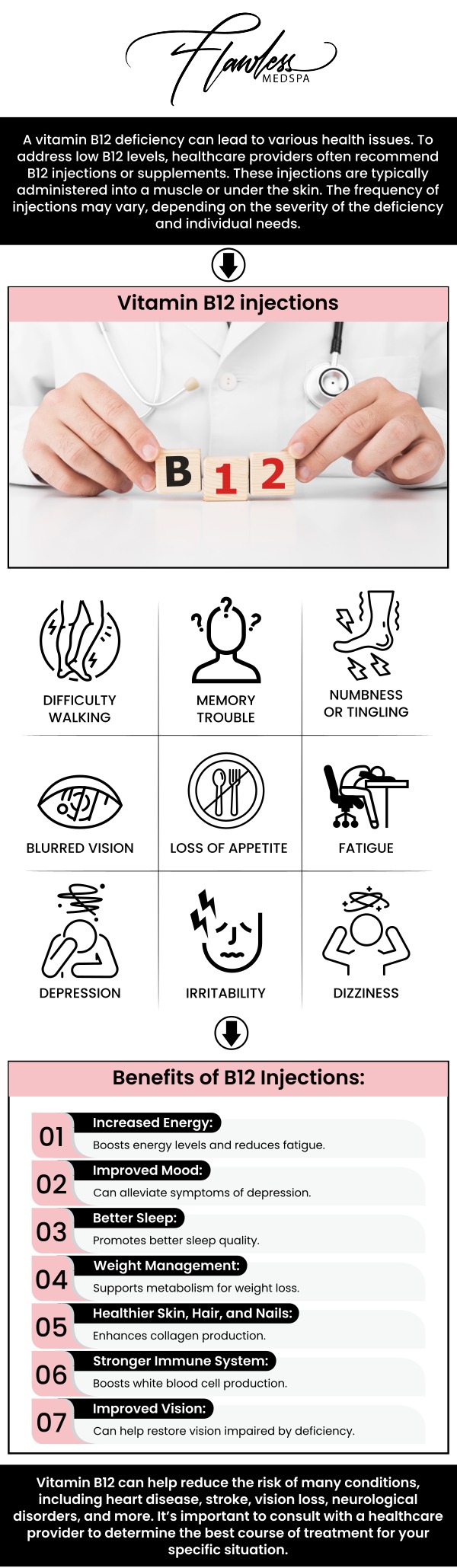
An authoritative review of B12 deficiency from the clinical perspective
The charging current should not be more than 1.0C as charging at a higher current may damage the cell or even lead to overheating or leakage
ONCOLOGY Vol 39, Issue 7 Volume 39 Issue 7 Pages: 294-296 GLP-1 Receptor Agonist Use and Weight Change in Patients With Breast Cancer Sherry Shen, MD , Bethina Liu, MD , Chad Fanti, MD Patients with breast cancer experience significant weight loss after using GLP-1 receptor agonists, highlighting potential benefits for obesity management in this population
The caloric deficit created by retatrutide appetite suppression is proportionally larger for someone who exercises regularly
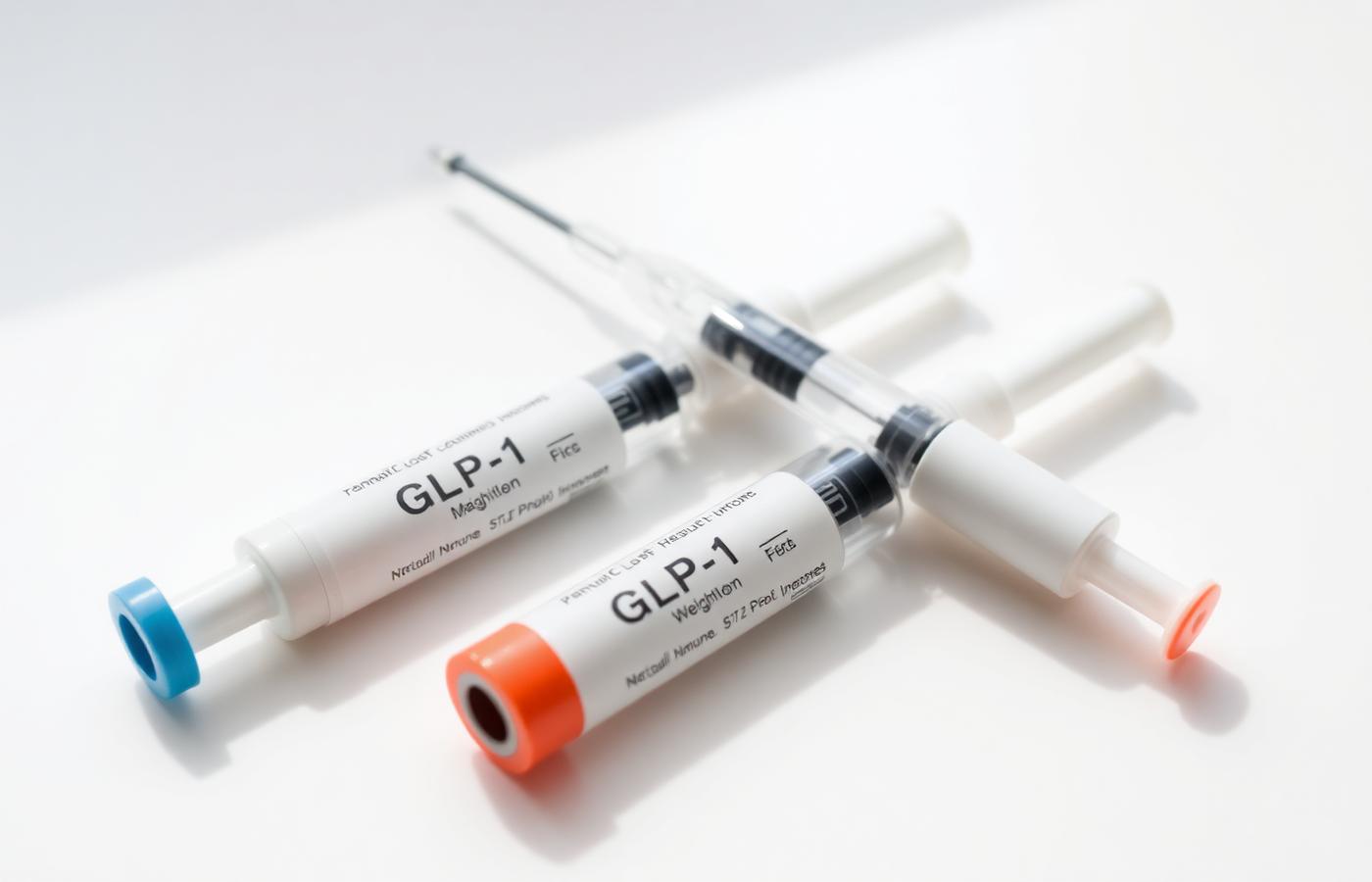
There are a lot of ways that compounded GLP-1s interfere with this approach
Side Effects Comparison# Retatrutide Side Effects# Phase 2 data (n=338 obesity trial): Nausea : ~25% at higher doses (8-12 mg) Diarrhea : ~20% Vomiting : ~15% Constipation : Common Decreased appetite : Common (pharmacological effect) Heart rate : Small increase (2-4 bpm), potentially related to glucagon component Injection site reactions : Mild, transient Discontinuation rate : 6-10% due to adverse events The glucagon receptor component introduces theoretical concerns for hyperglycemia (counterbalanced by GLP-1/GIP in practice), cardiovascular effects (chronotropic glucagon action), and hepatic effects, none of which produced safety signals in Phase 2 but require larger-scale monitoring