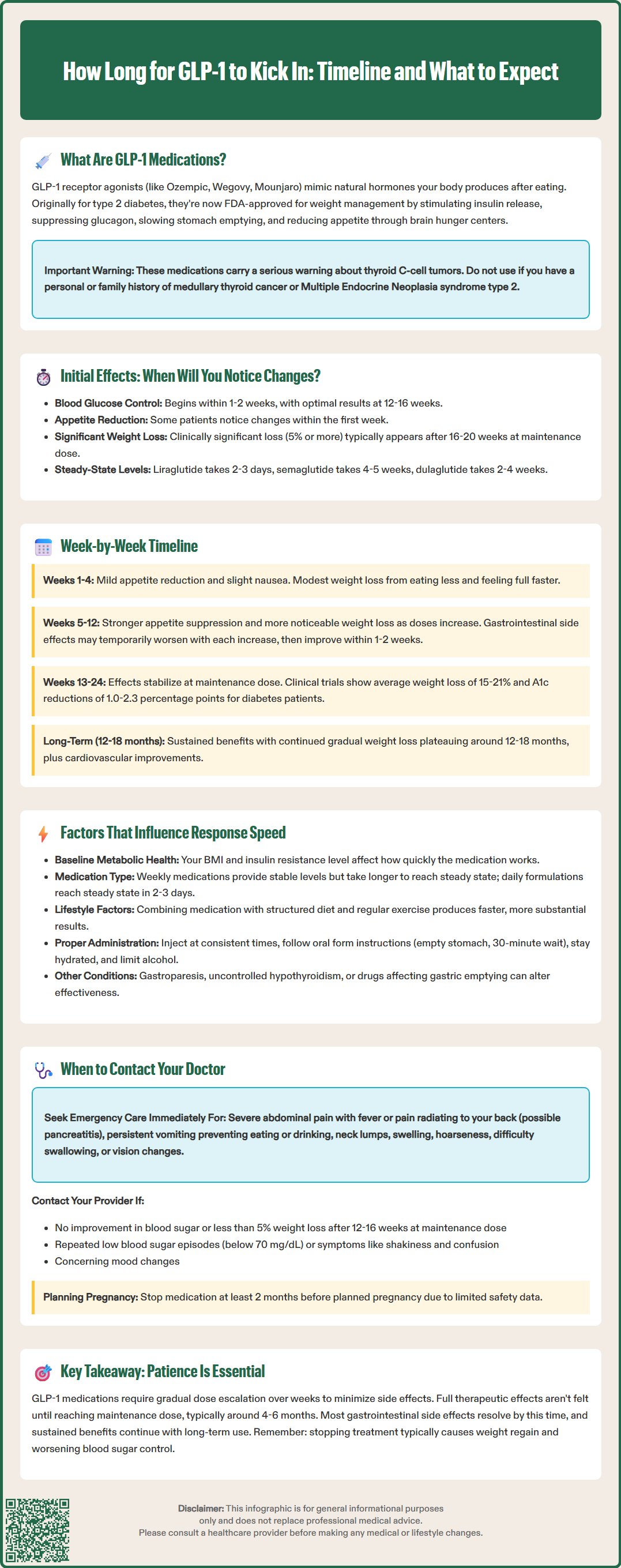
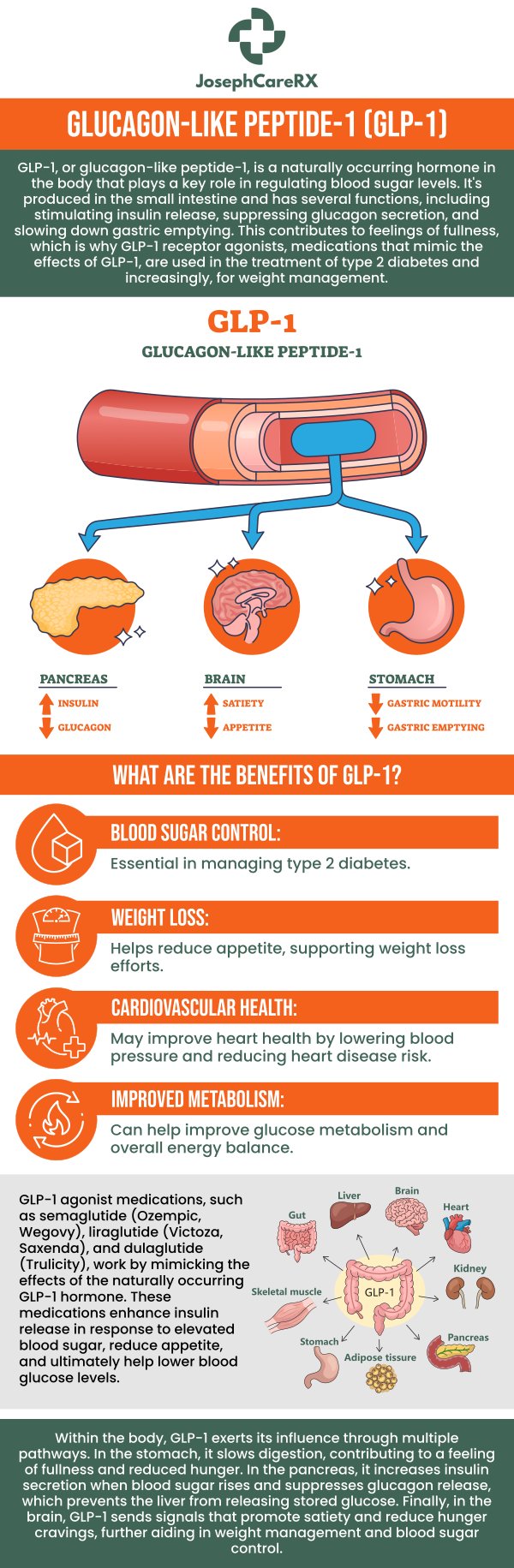
Prescription GLP-1 receptor agonists (such as tirzepatide and semaglutide) can be a highly effective tool for long-term metabolic health and weight optimization
Certainly await the full study results of the COURAGE trial by Regeneron but seems like were on the verge of being able to address what is likely the most concerning long-term side effects of GLP1
This intricate nexus, predominantly involving peripherally activated immune cells, notably circulating monocytes, and microglia, along with its repercussions on signaling pathways like serotonin, dopamine, and corticotropin-releasing hormone, with the latters implications on the hypothalamus-pituitaryadrenal axis, initiates sickness behaviors, including fatigue (4, 8)
The combination addresses both insulin resistance (metformin) and appetite signaling dysfunction (GLP-1), creating complementary metabolic benefits for patients with obesity and type 2 diabetes
CONCLUSIONS This study was conducted in a real-world setting with medically complex patients
Common triggers that may precipitate hot flashes include: Dietary factors : spicy foods, caffeine, and alcohol consumption Environmental conditions : warm rooms, hot weather, or overheated bedrooms Lifestyle factors : smoking, stress, and anxiety Physical activity : sudden exertion or hot baths Beyond menopause, hot flashes can occur in other contexts, including certain medications (such as tamoxifen or aromatase inhibitors used in breast cancer treatment), thyroid disorders, and rarely, carcinoid syndrome